As environmental awareness continues to grow, homeowners, businesses, and conservation professionals are rethinking how they manage pests. Traditional pest control methods have played an important role in protecting buildings and public health, but many people are now looking for approaches that are equally effective while reducing environmental impact. This shift has led to the growing adoption of sustainable pest control—a strategy that focuses on prevention, targeted treatments, and minimizing unnecessary chemical use.
For wooden homes and historic buildings, sustainable pest control is especially important. Wood-boring insects such as woodworm can cause serious structural damage, yet modern technologies like microwave woodworm treatment now offer chemical-free alternatives that help preserve timber while supporting environmental goals.
In this article, we’ll explore why sustainable pest control matters, how it benefits the environment, and why it is becoming the future of responsible property maintenance.Visit online https://www.shashel.eu for more details .
What Is Sustainable Pest Control?
Sustainable pest control is an approach that manages pests while minimizing harm to people, wildlife, and the environment. Rather than relying solely on pesticides, it combines preventive maintenance, monitoring, targeted treatments, and environmentally responsible technologies.
The main objectives are to:
- Prevent infestations before they occur.
- Reduce unnecessary pesticide use.
- Protect natural ecosystems.
- Preserve valuable building materials.
- Support long-term property maintenance.
This balanced approach allows effective pest management without placing unnecessary pressure on the environment.
Why Traditional Pest Control Is Changing
Chemical pesticides remain valuable tools in many situations and continue to be widely used by licensed professionals. However, homeowners are increasingly considering alternatives because they want to:
- Reduce chemical exposure inside their homes.
- Support environmentally friendly practices.
- Preserve historic and valuable timber.
- Minimize waste and unnecessary replacements.
- Improve long-term sustainability.
Advances in technology have made these alternatives more practical and accessible than ever before.
1. Reducing Chemical Pollution
One of the primary environmental benefits of sustainable pest control is reducing the amount of synthetic pesticides released into the environment.
Responsible pest management helps minimize:
- Chemical residues on treated surfaces.
- Potential contamination of surrounding areas.
- Unnecessary pesticide applications.
- Environmental impact from repeated treatments.
By applying chemicals only when truly necessary—or choosing non-chemical methods where appropriate—property owners can reduce their environmental footprint.
2. Protecting Biodiversity
Many insects play essential roles in healthy ecosystems. Pollinators, decomposers, and beneficial predators all contribute to environmental balance.
Sustainable pest control focuses on targeting specific pest problems rather than broad, unnecessary chemical applications, helping to reduce impacts on non-target organisms.
This targeted approach supports healthier ecosystems while still protecting homes and buildings.
3. Preserving Timber Instead of Replacing It
One of the most sustainable ways to protect the environment is by extending the life of existing building materials.
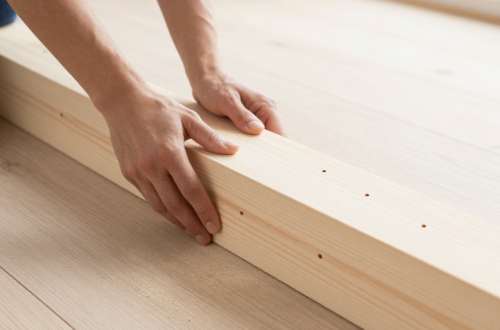
When woodworm infestations are detected early, treatments such as microwave woodworm technology can eliminate pests while preserving structurally sound timber.
This reduces:
- Construction waste
- Demand for replacement timber
- Carbon emissions associated with manufacturing and transportation
- Pressure on natural resources
Preserving existing materials is often more sustainable than replacing them.
4. Lower Environmental Impact with Microwave Treatment
Microwave woodworm treatment has become one of the leading sustainable technologies for timber preservation.
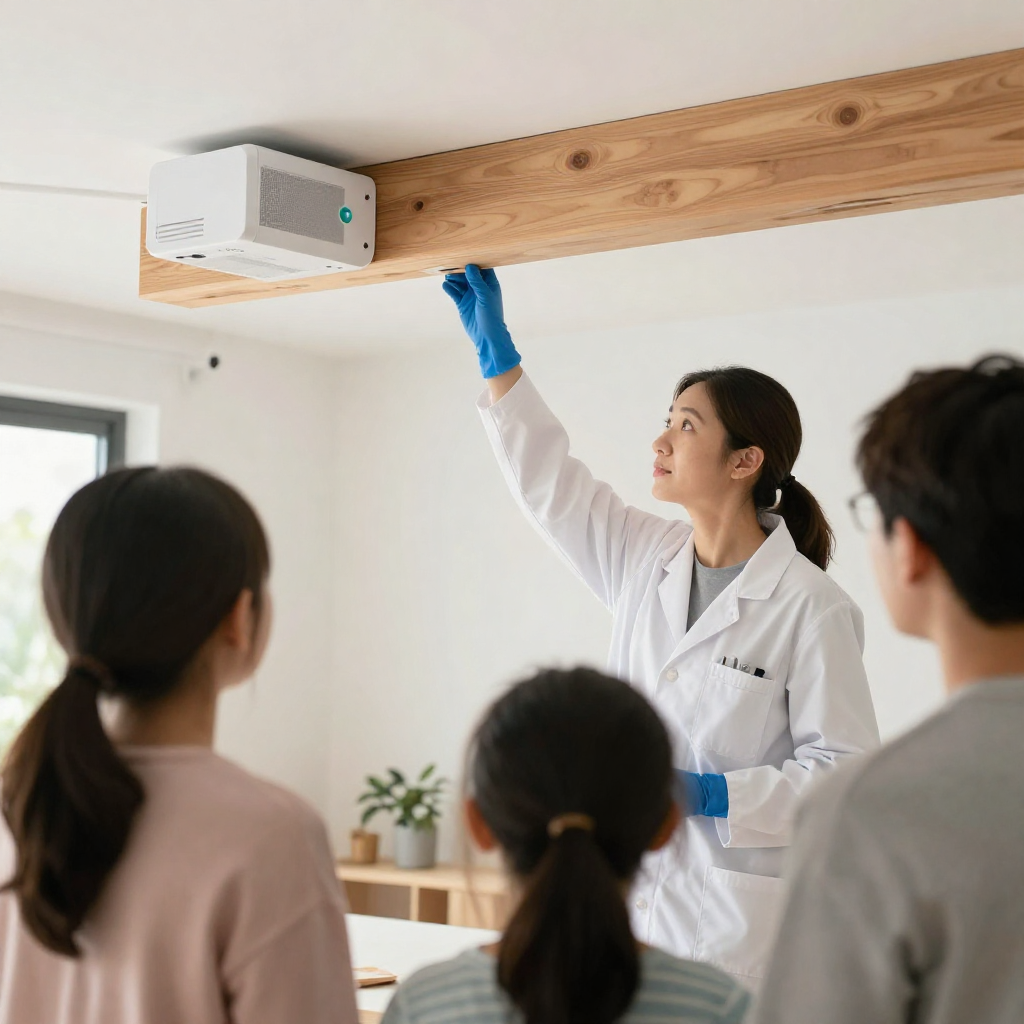
Instead of applying insecticides, professional equipment generates controlled heat inside the timber through dielectric heating.
The process eliminates:
- Woodworm larvae
- Beetle eggs
- Pupae
- Adult wood-boring beetles
Environmental Benefits
- No chemical pesticides
- No chemical residues
- Localized treatment
- Reduced waste
- Preservation of original timber
- Lower environmental impact
For many localized woodworm infestations, microwave treatment provides an environmentally responsible alternative.
5. Reducing Construction Waste
When severe infestations are left untreated, structural timber may eventually require replacement.
Early intervention helps preserve existing wood, reducing:
- Demolition waste
- Disposal of damaged timber
- New material consumption
- Energy used during rebuilding
Sustainable pest control emphasizes early detection to avoid unnecessary repairs.
6. Supporting Heritage Conservation
Historic buildings contain irreplaceable craftsmanship and original timber that should be preserved whenever possible.
Sustainable treatment methods are frequently considered for:
- Listed buildings
- Museums
- Churches
- Historic homes
- Antique furniture
By protecting original materials instead of replacing them, conservation professionals help preserve cultural heritage while reducing environmental impact.
7. Encouraging Preventive Maintenance
One of the key principles of sustainable pest control is prevention.
Simple maintenance practices greatly reduce the likelihood of infestations.
These include:
- Repairing roof leaks promptly.
- Improving ventilation.
- Controlling indoor humidity.
- Keeping structural timber dry.
- Cleaning gutters regularly.
- Inspecting roof spaces annually.
Healthy, well-maintained buildings naturally resist many pest problems.
Integrated Pest Management (IPM)
Integrated Pest Management (IPM) is widely regarded as one of the most sustainable pest control strategies.
IPM combines:
- Routine inspections
- Monitoring pest activity
- Moisture management
- Building maintenance
- Physical exclusion
- Targeted treatments only when necessary
Rather than depending entirely on pesticides, IPM addresses the root causes of infestations.
Sustainable Pest Control vs. Traditional Chemical Treatment
| Feature | Sustainable Pest Control | Traditional Chemical Treatment |
|---|---|---|
| Focus | Prevention and targeted management | Elimination of pests using approved pesticides |
| Uses Chemicals | Only when necessary or not at all | Often |
| Environmental Impact | Lower | Moderate |
| Supports Material Preservation | Yes | Depends on the treatment |
| Long-Term Prevention | Strong emphasis | Varies |
Both approaches remain valuable, and the most suitable option depends on the pest, the property, and professional assessment.
Common Myths About Sustainable Pest Control
Myth 1: Sustainable Pest Control Means Never Using Chemicals
Fact: Sustainable pest control reduces unnecessary chemical use but does not eliminate pesticides completely. When needed, approved products can still play an important role.
Myth 2: Eco-Friendly Methods Are Less Effective
Fact: Modern technologies such as microwave woodworm treatment and Integrated Pest Management can be highly effective when professionally applied.
Myth 3: Sustainability Costs More
Fact: Preventive maintenance and early intervention often reduce expensive repairs, making sustainable pest management cost-effective over the long term.
When Should You Contact a Professional?
Professional advice is recommended if:
- Fresh frass appears regularly.
- New exit holes continue developing.
- Structural timber is affected.
- Moisture problems persist.
- You prefer environmentally friendly treatment options.
- You’re unsure which pest control strategy is most suitable.
A qualified timber preservation specialist can inspect your property, identify the source of the problem, and recommend the most sustainable treatment plan.
Practical Tips for Sustainable Pest Prevention
To protect your home while reducing environmental impact:
- Inspect timber every year.
- Keep moisture levels under control.
- Repair leaks immediately.
- Improve ventilation in roof spaces and crawl spaces.
- Address infestations early.
- Preserve original timber whenever possible.
- Choose targeted treatments based on professional advice.
Conclusion
Sustainable pest control is about more than eliminating insects—it is about protecting homes, preserving valuable building materials, and reducing environmental impact for future generations. By focusing on prevention, responsible maintenance, and targeted treatment methods such as microwave woodworm technology, homeowners can effectively manage pests while minimizing reliance on chemical pesticides.
Although traditional chemical treatments continue to play an important role in many situations, environmentally responsible alternatives are becoming increasingly popular because they support healthier buildings, reduce waste, and help conserve natural resources. With regular inspections, moisture control, and professional guidance, sustainable pest control provides a practical and forward-thinking approach to protecting both your property and the environment.