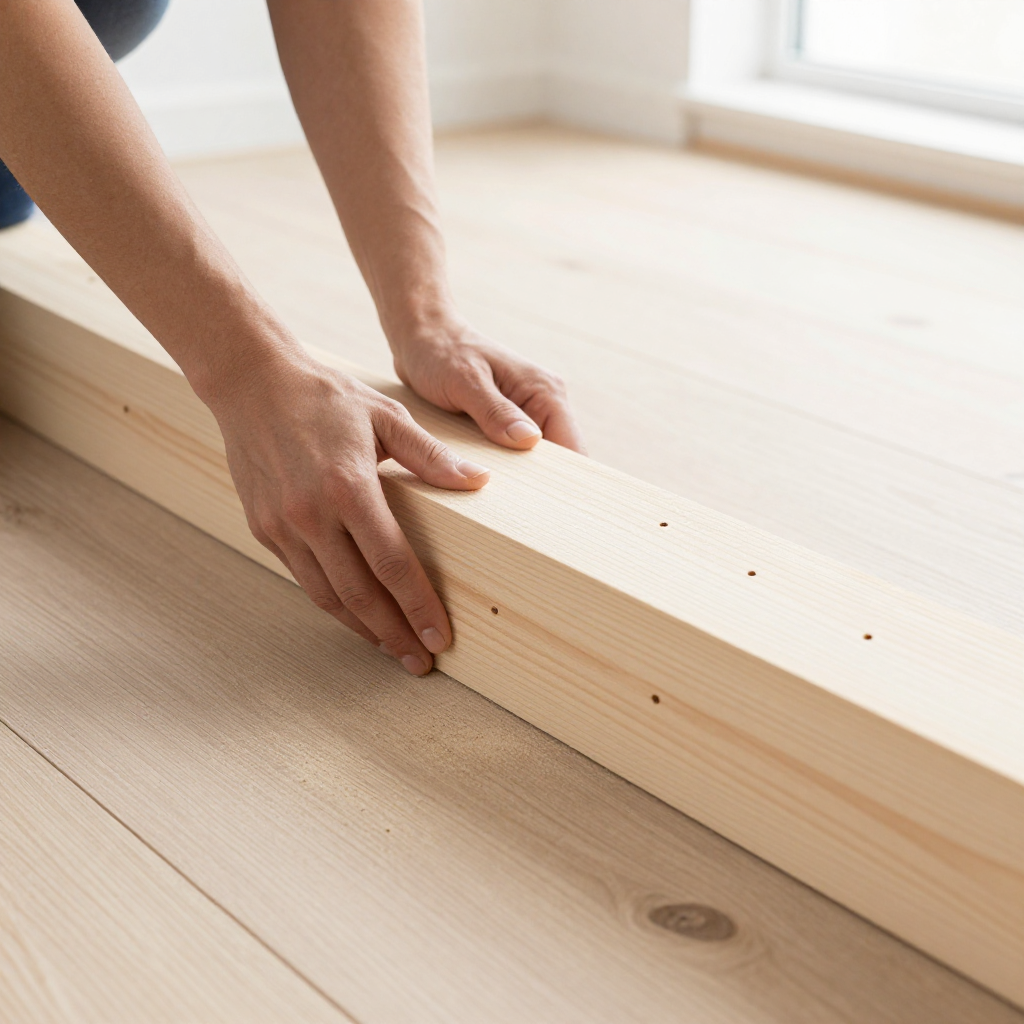
Woodworm infestation may seem like a small issue at first, especially when the only visible signs are a few tiny holes in wood or a small amount of powdery dust. Because damage often develops slowly, many homeowners assume woodworm is harmless or believe treatment can wait. Unfortunately, untreated woodworm can become a serious problem over time.
Woodworm larvae quietly feed inside timber for months or even years, weakening wood from the inside out. Since much of the damage remains hidden beneath the surface, homeowners may not realize the extent of the problem until furniture weakens, floorboards sag, or structural timber becomes unsafe.
The dangers of untreated woodworm go beyond cosmetic damage. Infestation can lead to expensive repairs, reduced property value, weakened structural safety, and long-term timber deterioration if ignored for too long.
Many homeowners researching timber care through shashel.eu/ understand that identifying and treating woodworm early is one of the best ways to avoid serious structural problems later.
In this article, we will explore the major dangers of untreated woodworm damage and explain why fast action matters.
What Is Woodworm?
Before understanding the risks, it helps to know what woodworm actually is.
Despite the name, woodworm is not a worm.
Woodworm refers to the larvae of wood-boring beetles that feed on timber from the inside.
Adult beetles lay eggs in:
- Cracks in wood
- Exposed timber surfaces
After hatching, larvae tunnel into timber and begin feeding.
Eventually, adult beetles emerge through tiny holes.
Woodworm commonly affects:
- Wooden furniture
- Roof beams
- Floorboards
- Ceiling joists
- Structural timber
Because larvae remain hidden, infestations often continue unnoticed.
Hidden Damage Continues Over Time
One of the biggest dangers of untreated woodworm is hidden internal damage.
Why This Happens
Woodworm larvae feed inside timber continuously.
At first:
- Surface damage appears small
Meanwhile:
- Internal tunnels expand
Over time:
- Timber weakens
Damage often becomes serious before homeowners fully notice the problem.
Structural Timber Can Become Unsafe
Untreated woodworm becomes more dangerous when structural wood is affected.
High-Risk Areas Include
- Roof beams
- Floor joists
- Ceiling supports
- Wooden staircases
Why Structural Damage Matters
Weak timber may reduce:
- Stability
- Safety
In severe cases:
Major structural repairs may become necessary
Early treatment prevents greater risks.
Wooden Floors May Weaken
Woodworm often damages floorboards quietly.
Warning Signs Include
- Soft spots
- Uneven flooring
- Hollow sounds
What Happens Over Time
Untreated infestation may weaken support timber beneath floors.
Walking surfaces may eventually become unstable.
Fast action helps protect flooring.
Furniture Can Become Fragile
Woodworm frequently attacks furniture.
Commonly Affected Items
- Wooden chairs
- Tables
- Cabinets
- Antique furniture
Long-Term Effects
Furniture may become:
- Weak
- Fragile
- Unstable
Valuable antiques may lose financial and sentimental value.
Early treatment often saves furniture.
Many homeowners exploring long-term timber care through shashel.eu understand that preventing woodworm damage early is much cheaper than replacing valuable furniture.
Repair Costs Increase Over Time
One of the biggest financial dangers of untreated woodworm is rising repair costs.
Small Problem vs Large Problem
Early treatment may require:
- Minor repairs
- Simple wood treatment
Untreated infestation may lead to:
- Structural restoration
- Timber replacement
Costs often rise significantly with delay.
Prevention saves money.
Infestation Can Spread
Woodworm rarely stays isolated forever.
How Spread Happens
Adult beetles lay eggs in nearby wood.
This may affect:
- Furniture
- Flooring
- Roof beams
The longer infestation remains untreated:
The greater the risk of spreading
Early intervention helps stop expansion.
Property Value May Decrease
Untreated timber damage may reduce property value.
Why Buyers Worry
Potential buyers often fear:
- Hidden structural issues
- Expensive future repairs
Woodworm concerns may appear during inspections.
Well-maintained timber supports stronger resale value.
Moisture Often Makes Damage Worse
Woodworm thrives in damp environments.
Why Moisture Matters
Damp timber becomes:
- Softer
- Easier to penetrate
Common Moisture Sources
Watch for:
- Roof leaks
- Pipe leaks
- Condensation
Ignoring moisture problems often increases infestation severity.
Dry timber naturally resists pests better.
Hidden Infestation Is Hard to Detect
One of the biggest dangers is how quietly woodworm works.
Why Detection Is Difficult
Most feeding happens inside timber.
Homeowners may only notice:
- Tiny holes
- Powdery dust
By then:
Damage may already be advanced
Routine inspection helps identify problems earlier.
Repeated Infestation Becomes More Likely
Untreated woodworm may continue reproducing.
What Happens
Adult beetles lay more eggs.
This creates:
- More larvae
- More damage
Repeated infestation cycles may continue for years.
Stopping activity early matters.
Structural Repairs Become More Complicated
Small repairs are often manageable.
Severe infestation may require:
- Beam replacement
- Floor reinforcement
- Large restoration work
Why Complexity Matters
Major repairs often involve:
- More time
- More expense
Early action avoids disruption.
Common Warning Signs You Should Never Ignore
Watch for:
Tiny Round Holes
May indicate active infestation.
Powdery Dust
Fresh dust often signals feeding larvae.
Weak Timber
Wood may feel soft or unstable.
Hollow Sounds
Internal tunneling weakens timber.
Sagging Floors or Ceilings
Structural warning signs require urgent attention.
Never ignore these symptoms.
Common Mistakes Homeowners Make
Assuming Damage Is Cosmetic
Hidden damage may be serious.
Waiting Too Long
Delays increase repair costs.
Ignoring Moisture
Dampness encourages infestation.
Treating Only Surface Signs
Hidden larvae often remain inside timber.
Balanced treatment matters.
How to Prevent Serious Woodworm Damage
Keep Timber Dry
Dry wood discourages infestation.
Improve Ventilation
Healthy airflow reduces humidity.
Inspect Regularly
Routine checks reveal early signs.
Fix Leaks Quickly
Moisture problems worsen damage.
Seek Professional Advice
Early assessment improves outcomes.
Prevention saves money.
Conclusion
The dangers of untreated woodworm damage are much greater than many homeowners realize. What starts as a few tiny holes or a small amount of dust can quietly develop into weakened flooring, damaged furniture, unsafe structural timber, expensive repairs, and reduced property value.
Because woodworm larvae work hidden inside timber, damage often becomes serious before it is fully visible. Early detection, moisture control, proper ventilation, and fast treatment are essential for protecting wooden structures.