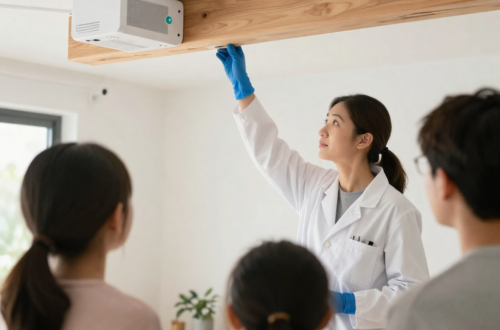
Indoor air quality affects you more than you might notice. Here is the thing, when a room gets stuffy and the air stops moving, oxygen can drop while carbon dioxide rises. That shift can make you feel tired, foggy, or even sick. This is where a tool like a low oxygen detector becomes surprisingly valuable, especially in basements, small bedrooms, storage rooms, and any place with poor airflow. People often focus on smoke alarms or carbon monoxide sensors, but oxygen levels deserve just as much attention.

Why Oxygen Drops Indoors More Easily Than You Think
You breathe oxygen, then exhale carbon dioxide. So does everyone else around you. In a tight room with closed windows, that cycle shifts pretty quickly. Oxygen starts dipping, carbon dioxide creeps upward, and the body reacts long before we notice. You might get headaches, feel sluggish, or struggle to stay focused. People sometimes blame dehydration or a long day, but often it is simply stale air.
Now picture a basement gym, a workshop with a running heater, or a tiny office with two people working for hours. You might assume central ventilation handles everything, but even a decent HVAC system has limits when doors stay closed and air has nowhere to go. A low oxygen detector gives you the early signal that conditions are sliding in the wrong direction.
How a Low Oxygen Detector Works
The idea is simple. The device measures oxygen concentration in the air around it. Indoor oxygen normally sits around 20.9 percent. When it dips toward 19.5 percent, you have a problem brewing. The detector alerts you before you feel those first hints of fatigue or pressure around the temples.
Here is what this sensor usually tracks:
- Oxygen level trends
- Sudden drops linked to heaters, stoves, or crowded rooms
- Environments where carbon dioxide is building up even if you cannot smell it
- Changes caused by poor ventilation or blocked vents
You get a clearer view of what you are breathing instead of relying on guesswork.
Why Rising Carbon Dioxide Matters Too
When oxygen falls, carbon dioxide often rises at the same time. The human body responds strongly to carbon dioxide. Even a small increase can trigger drowsiness or a strange heavy feeling in the head. At higher levels, it can cause confusion or rapid heart rate.
A low oxygen detector helps you catch the pattern early. If the sensor shows oxygen trending downward, it usually hints that carbon dioxide is moving upward as well. That is your prompt to open a window, start a fan, or step outside for fresh air.
Rooms That Benefit the Most
Not every area needs monitoring, but some spaces are surprisingly vulnerable. Let’s break it down.
Basements and underground rooms
They have limited airflow, fewer windows, and often house equipment that uses combustion. These rooms are the first to get stale.
Workshops and garages
Any tool that burns fuel can reduce oxygen. Even something as simple as a propane heater changes the balance fast.
Bedrooms with closed doors
If one or two people sleep in a sealed room for eight hours, oxygen dips more than most expect. A low oxygen detector helps you understand how the room behaves overnight.
Home gyms
Exercising means heavier breathing. That accelerates carbon dioxide buildup and oxygen depletion.
Storage rooms and utility spaces
Tank leaks, heating equipment, or a running generator creates an imbalance quickly.
Signs Your Space May Already Have Low Oxygen
People write off the symptoms as stress or lack of sleep, but they often point to indoor air problems. Look out for:
- Yawning even when well rested
- Mild headaches that improve when you go outside
- A foggy or unfocused feeling
- Tight breathing or light pressure in the chest
- Feeling drained after waking up
A low oxygen detector helps confirm whether the space is causing the issue.
Improving Indoor Airflow Without Complicating Your Life
You do not need a major renovation to fix oxygen problems. A few small habits make a real difference.
- Open windows on opposite sides of the room to create cross ventilation
- Use fans to push fresh air in and stale air out
- Keep doors slightly open overnight
- Check that vents are not blocked by furniture
- Air out small rooms after long use
With a low oxygen detector, you can test what works instead of guessing.
Why This Simple Tool Adds Peace of Mind
Most people want their homes to feel comfortable and safe without constantly thinking about sensors. The benefit of a low oxygen detector is that it quietly watches the background conditions you cannot feel until it is too late. You get alerts before the room affects your energy, your sleep, or your ability to think clearly.
Here is what this really means. You gain a clearer connection with the environment inside your home. You know how your basement behaves, how your bedroom changes overnight, and how your workshop reacts when you turn on a heater. That knowledge turns into better habits and a healthier space for everyone.
And once you see how quickly air quality shifts in a closed room, you start to treat ventilation like part of your daily routine, right up there with turning off the lights or locking the door.